



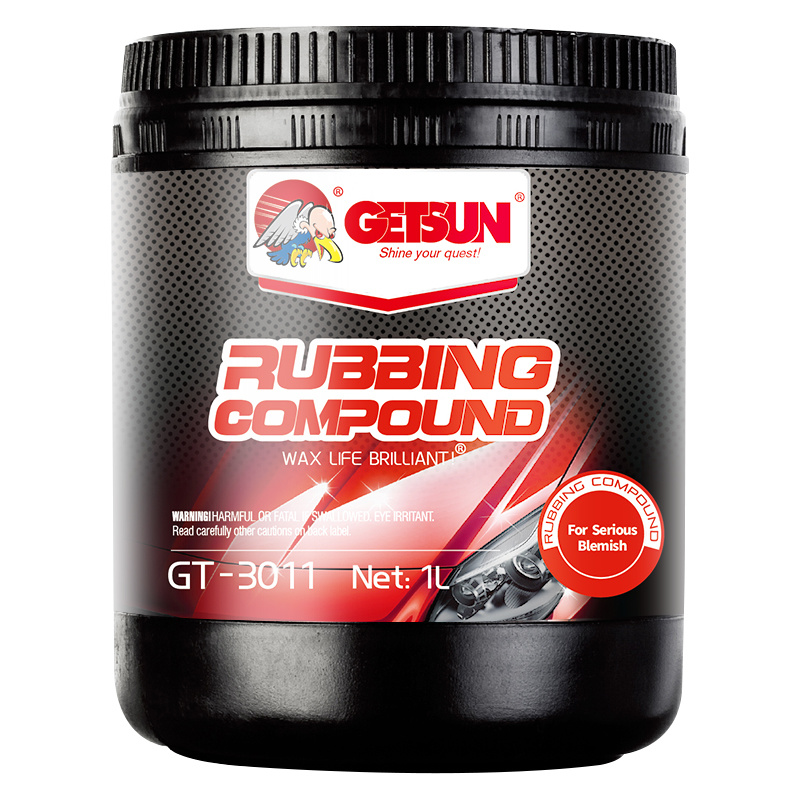
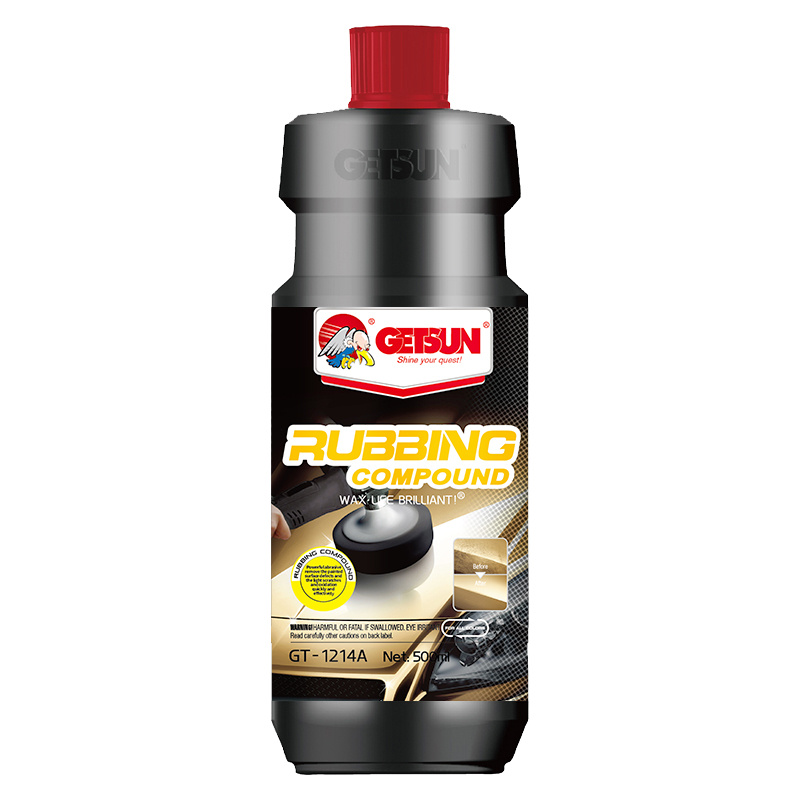
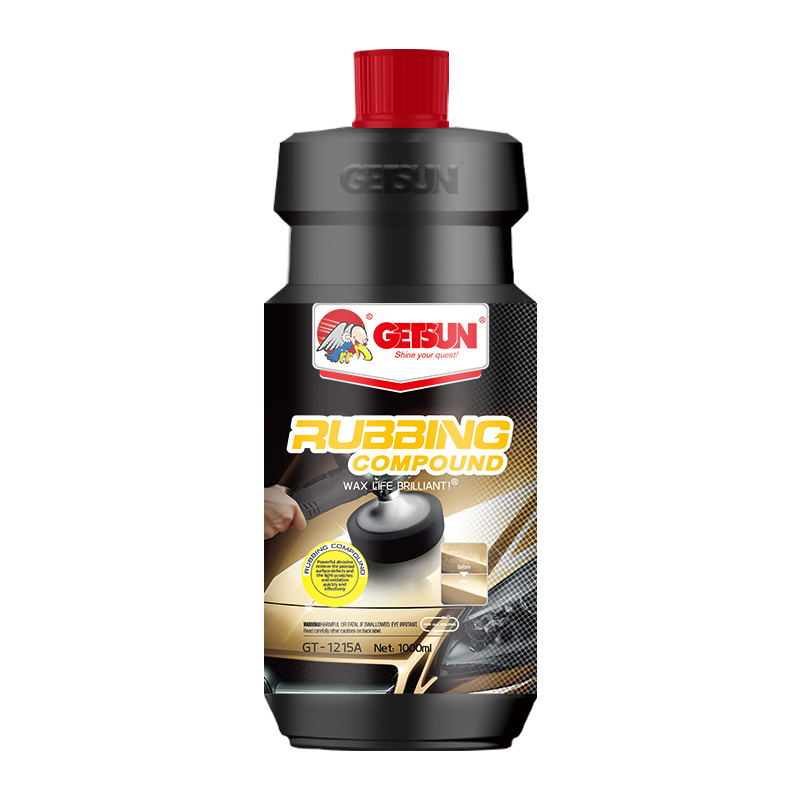
Rubbing Compound
<br />Product Code: GT-3011 <br />Specification: 12pcs/ctn <br />Capacity: 1000g <br />Volume: 0.017m³ <br />Certificates:ISO9001/MSDS <br />MOQ: 2400pcs
Product Code: GT-3011
Specification: 12pcs/ctn
Capacity: 1000g
Volume: 0.017m³
Certificates:ISO9001/MSDS
MOQ: 2400pcs
CONTACT US
Product Description
<link href="https://m2cdn.fastindexs.com/npmanager/static/lib/ckeditor5/preview.css?v=1.3.044" rel="stylesheet" /><p>Rubbing Compound</p><p>When it comes to restoring the shine and smoothness of your car's paintwork, rubbing compound is an essential tool in your detailing arsenal. This abrasive paste works wonders in removing surface imperfections such as swirl marks, scratches, and water spots, leaving your vehicle looking brand new. In this article, we will explore the benefits of using rubbing compound, how to properly apply it, and some tips for achieving the best results.</p><p>Benefits of Rubbing Compound</p><p>Rubbing compound is designed to be aggressive enough to remove stubborn blemishes on your car's paint, yet gentle enough to not damage the finish. It works by smoothing out the surface of the paint, leveling out imperfections, and restoring the gloss and shine of the finish. Whether your car has swirl marks from improper washing techniques, scratches from road debris, or water spots from rain or sprinklers, rubbing compound can help eliminate these issues and bring back the luster of your vehicle's paintwork.</p><p>Proper Application of Rubbing Compound</p><p>Before using rubbing compound, it is important to thoroughly wash and dry your car to remove any dirt or debris that could cause further damage to the paint. Once the surface is clean, apply a small amount of rubbing compound to a clean microfiber cloth or applicator pad. Work in small sections, applying moderate pressure in a circular motion. As you work the compound into the paint, you will begin to see the imperfections disappear and the shine return. It is important to work slowly and methodically, checking your progress frequently to avoid overworking the area.</p><p>After applying the rubbing compound, it is important to wipe away any excess residue with a clean microfiber cloth. This will reveal the true condition of your paintwork and allow you to assess whether additional applications are needed. Once you are satisfied with the results, it is important to follow up with a polish and wax to protect the newly restored finish.</p><p>Tips for Achieving the Best Results</p><p>To achieve the best results when using rubbing compound, there are a few tips to keep in mind. First, always start with the least aggressive compound and work your way up if needed. This will help prevent unnecessary damage to the paint. Additionally, it is important to work in a shaded area and avoid working in direct sunlight, as this can cause the compound to dry out too quickly and make it more difficult to remove.</p><p>It is also important to use the right tools for the job. A high-quality microfiber cloth or applicator pad will help ensure even application and minimize the risk of introducing new imperfections to the paint. Finally, be patient and take your time when working with rubbing compound. Rushing through the process can lead to uneven results and may require additional correction.</p><p>In conclusion, rubbing compound is a powerful tool for restoring the shine and smoothness of your car's paintwork. By understanding the benefits of using rubbing compound, properly applying it, and following a few key tips, you can achieve professional-quality results and keep your vehicle looking its best. So next time you notice swirl marks, scratches, or water spots on your car, reach for the rubbing compound and bring back the brilliance of your paintwork.</p><figure class="image image_resized" style="width:50%;"><img src="https://omo-oss-image.thefastimg.com/portal-saas/pg2024051518472029970/cms/image/02a2f1cb-6d5f-4ba8-9613-ebdd55f64787.jpg"></figure><figure class="image image_resized" style="width:50%;"><img src="https://omo-oss-image.thefastimg.com/portal-saas/pg2024051518472029970/cms/image/4e9dfaab-9f9d-412c-ae81-ccf677a2b71b.jpg"></figure><figure class="image image_resized" style="width:50%;"><img src="https://omo-oss-image.thefastimg.com/portal-saas/pg2024051518472029970/cms/image/c3575298-fefe-4089-a092-fed21fa4725e.jpg"></figure><figure class="image image_resized" style="width:50%;"><img src="https://omo-oss-image.thefastimg.com/portal-saas/pg2024051518472029970/cms/image/07b03afe-5f53-4142-9ee7-787b70b4da0c.jpg"></figure>
Rubbing Compound
When it comes to restoring the shine and smoothness of your car's paintwork, rubbing compound is an essential tool in your detailing arsenal. This abrasive paste works wonders in removing surface imperfections such as swirl marks, scratches, and water spots, leaving your vehicle looking brand new. In this article, we will explore the benefits of using rubbing compound, how to properly apply it, and some tips for achieving the best results.
Benefits of Rubbing Compound
Rubbing compound is designed to be aggressive enough to remove stubborn blemishes on your car's paint, yet gentle enough to not damage the finish. It works by smoothing out the surface of the paint, leveling out imperfections, and restoring the gloss and shine of the finish. Whether your car has swirl marks from improper washing techniques, scratches from road debris, or water spots from rain or sprinklers, rubbing compound can help eliminate these issues and bring back the luster of your vehicle's paintwork.
Proper Application of Rubbing Compound
Before using rubbing compound, it is important to thoroughly wash and dry your car to remove any dirt or debris that could cause further damage to the paint. Once the surface is clean, apply a small amount of rubbing compound to a clean microfiber cloth or applicator pad. Work in small sections, applying moderate pressure in a circular motion. As you work the compound into the paint, you will begin to see the imperfections disappear and the shine return. It is important to work slowly and methodically, checking your progress frequently to avoid overworking the area.
After applying the rubbing compound, it is important to wipe away any excess residue with a clean microfiber cloth. This will reveal the true condition of your paintwork and allow you to assess whether additional applications are needed. Once you are satisfied with the results, it is important to follow up with a polish and wax to protect the newly restored finish.
Tips for Achieving the Best Results
To achieve the best results when using rubbing compound, there are a few tips to keep in mind. First, always start with the least aggressive compound and work your way up if needed. This will help prevent unnecessary damage to the paint. Additionally, it is important to work in a shaded area and avoid working in direct sunlight, as this can cause the compound to dry out too quickly and make it more difficult to remove.
It is also important to use the right tools for the job. A high-quality microfiber cloth or applicator pad will help ensure even application and minimize the risk of introducing new imperfections to the paint. Finally, be patient and take your time when working with rubbing compound. Rushing through the process can lead to uneven results and may require additional correction.
In conclusion, rubbing compound is a powerful tool for restoring the shine and smoothness of your car's paintwork. By understanding the benefits of using rubbing compound, properly applying it, and following a few key tips, you can achieve professional-quality results and keep your vehicle looking its best. So next time you notice swirl marks, scratches, or water spots on your car, reach for the rubbing compound and bring back the brilliance of your paintwork.


Previous Page
Related Product
Immediate Consultation
If you are interested in our products, please leave your email, we will contact you as soon as possible, thank you!
 18011862300
对不起,当前栏目暂无内容
您可以查看其他栏目
Sorry, there is currently no content in the current column
You can check other sections
营业执照
Business License