



28
2024
-
10
Car Polishing Wax Unlock a Shiny Finish
Car Polishing Wax Unlock a Shiny Finish
Author:
2024-10-28 12:40:46.949
<link href="https://m2cdn.fastindexs.com/npmanager/static/lib/ckeditor5/preview.css?v=1.3.044" rel="stylesheet" /><p><a href="https://en.helioson.com/product-Detail/16.html"><strong>Car polishing wax</strong></a> is a protective coating that enhances the shine and durability of a vehicle's paint. Comprised of natural and synthetic materials, it acts as a barrier against environmental contaminants such as dirt, UV rays, and pollutants. The primary purpose of car polishing wax is to restore and maintain the vehicle's aesthetic appeal while providing an additional layer of protection.</p><figure class="image image_resized" style="width:75%;"><img src="https://omo-oss-image.thefastimg.com/portal-saas/pg2024051518472029970/cms/image/cf66a992-ed25-426d-a6c2-a9eb158d10c4.jpg" alt="Car polishing wax"></figure><p><br> </p><h3>Understanding the Composition</h3><p><br>Most car polishing waxes contain a mix of **carnauba wax**, **synthetic waxes**, and **polymers**. Carnauba wax, derived from the leaves of the Brazilian palm tree, is renowned for its hardness and high melting point, making it ideal for creating a long-lasting shine. Synthetic waxes, on the other hand, often provide superior durability and water repellency.<br> </p><h2 id="types-of-car-polishing-wax">Types of Car Polishing Wax</h2><p><br>When it comes to car polishing wax, there are several options available. Each type caters to specific preferences and needs. Here’s a closer look at the most common types:<br> </p><h3>1. Natural Wax</h3><p><br>Natural wax, predominantly made from carnauba wax, offers a deep, warm glow and is ideal for show cars or classic vehicles. While it provides excellent shine, it may require frequent reapplication due to its relatively short lifespan.<br> </p><h3>2. Synthetic Wax</h3><p><br>Synthetic wax is engineered for durability and can withstand harsher conditions. It typically lasts longer than natural wax and creates a slick surface that repels water effectively. For those seeking longevity and performance, synthetic wax is an excellent option.<br> </p><h3>3. Hybrid Wax</h3><p><br>Hybrid wax combines the best qualities of natural and synthetic waxes. It offers a stunning shine similar to that of natural wax while providing durability akin to synthetic wax. This makes hybrid wax a popular choice among car enthusiasts looking for balance.<br> </p><h2 id="benefits-of-using-car-polishing-wax">Benefits of Using Car Polishing Wax</h2><p><br>The benefits of applying car polishing wax extend beyond aesthetics. Here are some compelling reasons to incorporate wax into your car care regimen:<br> </p><h3>1. Enhanced Shine and Gloss</h3><p><br>Car polishing wax is designed to enhance the paint's shine, giving your vehicle a mirror-like finish that turns heads.<br> </p><h3>2. Protection from Environmental Harm</h3><p><br>Wax acts as a protective barrier against UV rays, dirt, bird droppings, tree sap, and other contaminants that can damage your paint.<br> </p><h3>3. Easier Cleaning</h3><p><br>A waxed surface is smoother and dirt-resistant, making it easier to clean. This means less time spent scrubbing and more time enjoying your shiny car.<br> </p><h3>4. UV Protection</h3><p><br>Many car waxes contain UV inhibitors that protect your car's paint from fading or discoloration due to prolonged sun exposure.<br> </p><h3>5. Increased Resale Value</h3><p><br>A well-maintained vehicle with a shiny finish can significantly increase its resale value. Regular waxing ensures that your car remains in top condition.<br> </p><h2 id="how-to-choose-the-right-car-polishing-wax">How to Choose the Right Car Polishing Wax</h2><p><br>Selecting the right car polishing wax is essential for achieving optimal results. Here are some factors to consider when making your choice:<br> </p><h3>1. Vehicle Type</h3><p><br>Consider your vehicle's age, paint type, and color. Classic cars may benefit from natural wax, while newer vehicles might be better suited for synthetic options.<br> </p><h3>2. Application Method</h3><p><br>Some waxes come in liquid form, while others are available as pastes or sprays. Choose a product that aligns with your preferred application method.<br> </p><h3>3. Desired Finish</h3><p><br>Decide on the kind of finish you want. If you prefer a deep, reflective shine, natural wax might be the best choice. For a more durable finish, opt for synthetic or hybrid waxes.<br> </p><h3>4. Environmental Considerations</h3><p><br>Consider whether you need a wax that offers additional protection against extreme weather conditions, especially if you live in an area with harsh winters or intense sun.<br> </p><h2 id="application-techniques-for-car-polishing-wax">Application Techniques for Car Polishing Wax</h2><p><br>Applying car polishing wax correctly is crucial for achieving the best results. Follow these steps for an effective application:<br> </p><h3>1. Prepare Your Vehicle</h3><p><br>Wash and dry your vehicle thoroughly to remove dirt, grime, and existing wax residue. This ensures a clean surface for the wax to adhere to.<br> </p><h3>2. Choose the Right Tools</h3><p><br>Use a foam applicator pad or a microfiber cloth to apply the wax evenly. Avoid using rough materials that could scratch the paint.<br> </p><h3>3. Apply the Wax</h3><p><br>Work in small sections, applying a thin layer of wax in circular motions. Allow the wax to haze before buffing it off, which usually takes about 5 to 10 minutes.<br> </p><h3>4. Buff the Surface</h3><p><br>Using a clean microfiber towel, buff the waxed area until you achieve the desired shine. Repeat this process on other sections of the vehicle.<br> </p><h3>5. Final Touches</h3><p><br>After completing the entire vehicle, consider applying a second layer of wax for added protection and shine, especially if using natural wax.<br> </p><h2 id="maintaining-a-shiny-finish">Maintaining a Shiny Finish</h2><p><br>To keep your car looking its best, regular maintenance is essential. Here are some tips for prolonging that shiny finish:<br> </p><h3>1. Wash Regularly</h3><p><br>Frequent washing prevents dirt and contaminants from damaging the wax layer. Use a pH-balanced car wash soap to avoid stripping the wax.<br> </p><h3>2. Avoid Automatic Car Washes</h3><p><br>Hand wash your vehicle whenever possible. Automatic car washes often use harsh brushes that can scratch the surface and remove wax prematurely.<br> </p><h3>3. Reapply Wax Periodically</h3><p><br>Depending on the type of wax used, reapplication should occur every few months. Monitor the shine and protection level to determine when it's time to reapply.<br> </p><h3>4. Store Your Vehicle Properly</h3><p><br>If you store your vehicle for extended periods, consider using a car cover to protect it from dust and UV exposure.<br> </p><h2 id="common-mistakes-to-avoid">Common Mistakes to Avoid When Polishing Your Car</h2><p><br>While polishing your car can be rewarding, there are pitfalls to avoid to achieve the best results:<br> </p><h3>1. Neglecting Surface Preparation</h3><p><br>Skipping the washing step can lead to scratches and swirl marks. Always start with a clean surface.<br> </p><h3>2. Overapplying Wax</h3><p><br>Less is often more when it comes to wax application. Applying too much wax can create a haze and diminish the shine.<br> </p><h3>3. Not Allowing Proper Curing Time</h3><p><br>Patience is key. Allow the wax to cure for the recommended time before buffing it off.<br> </p><h3>4. Using the Wrong Tools</h3><p><br>Avoid using rough or dirty applicators. Stick to microfiber cloths and foam pads for optimal results.<br> </p><h3>5. Forgetting About Maintenance</h3><p><br>Regular maintenance is crucial for keeping that shiny finish. Neglecting it can lead to dullness and damage.<br> </p><p><br>Achieving a shiny finish on your car is not just about aesthetics; it’s also about protection and maintenance. **Car polishing wax** plays a vital role in preserving your vehicle’s paint quality and enhancing its overall appearance. By understanding the different types of wax, application techniques, and maintenance practices, you can unlock a flawless, brilliant shine that will make your car stand out. With the right knowledge and tools, regular waxing can transform your vehicle into a gleaming masterpiece that you’ll be proud to drive.</p>
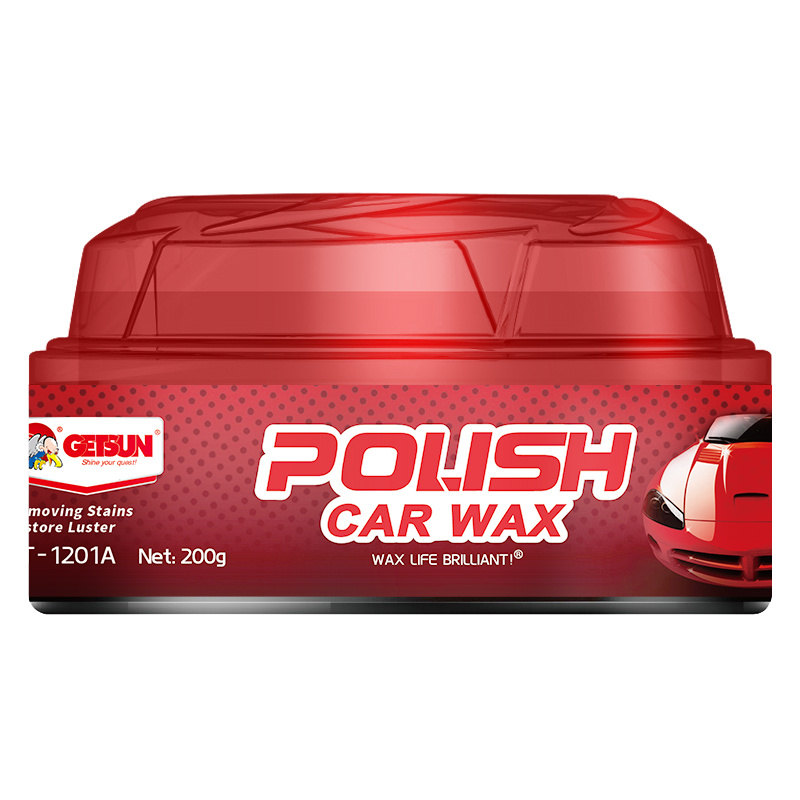
Car polishing wax is a protective coating that enhances the shine and durability of a vehicle's paint. Comprised of natural and synthetic materials, it acts as a barrier against environmental contaminants such as dirt, UV rays, and pollutants. The primary purpose of car polishing wax is to restore and maintain the vehicle's aesthetic appeal while providing an additional layer of protection.
Understanding the Composition
Most car polishing waxes contain a mix of **carnauba wax**, **synthetic waxes**, and **polymers**. Carnauba wax, derived from the leaves of the Brazilian palm tree, is renowned for its hardness and high melting point, making it ideal for creating a long-lasting shine. Synthetic waxes, on the other hand, often provide superior durability and water repellency.
Types of Car Polishing Wax
When it comes to car polishing wax, there are several options available. Each type caters to specific preferences and needs. Here’s a closer look at the most common types:
1. Natural Wax
Natural wax, predominantly made from carnauba wax, offers a deep, warm glow and is ideal for show cars or classic vehicles. While it provides excellent shine, it may require frequent reapplication due to its relatively short lifespan.
2. Synthetic Wax
Synthetic wax is engineered for durability and can withstand harsher conditions. It typically lasts longer than natural wax and creates a slick surface that repels water effectively. For those seeking longevity and performance, synthetic wax is an excellent option.
3. Hybrid Wax
Hybrid wax combines the best qualities of natural and synthetic waxes. It offers a stunning shine similar to that of natural wax while providing durability akin to synthetic wax. This makes hybrid wax a popular choice among car enthusiasts looking for balance.
Benefits of Using Car Polishing Wax
The benefits of applying car polishing wax extend beyond aesthetics. Here are some compelling reasons to incorporate wax into your car care regimen:
1. Enhanced Shine and Gloss
Car polishing wax is designed to enhance the paint's shine, giving your vehicle a mirror-like finish that turns heads.
2. Protection from Environmental Harm
Wax acts as a protective barrier against UV rays, dirt, bird droppings, tree sap, and other contaminants that can damage your paint.
3. Easier Cleaning
A waxed surface is smoother and dirt-resistant, making it easier to clean. This means less time spent scrubbing and more time enjoying your shiny car.
4. UV Protection
Many car waxes contain UV inhibitors that protect your car's paint from fading or discoloration due to prolonged sun exposure.
5. Increased Resale Value
A well-maintained vehicle with a shiny finish can significantly increase its resale value. Regular waxing ensures that your car remains in top condition.
How to Choose the Right Car Polishing Wax
Selecting the right car polishing wax is essential for achieving optimal results. Here are some factors to consider when making your choice:
1. Vehicle Type
Consider your vehicle's age, paint type, and color. Classic cars may benefit from natural wax, while newer vehicles might be better suited for synthetic options.
2. Application Method
Some waxes come in liquid form, while others are available as pastes or sprays. Choose a product that aligns with your preferred application method.
3. Desired Finish
Decide on the kind of finish you want. If you prefer a deep, reflective shine, natural wax might be the best choice. For a more durable finish, opt for synthetic or hybrid waxes.
4. Environmental Considerations
Consider whether you need a wax that offers additional protection against extreme weather conditions, especially if you live in an area with harsh winters or intense sun.
Application Techniques for Car Polishing Wax
Applying car polishing wax correctly is crucial for achieving the best results. Follow these steps for an effective application:
1. Prepare Your Vehicle
Wash and dry your vehicle thoroughly to remove dirt, grime, and existing wax residue. This ensures a clean surface for the wax to adhere to.
2. Choose the Right Tools
Use a foam applicator pad or a microfiber cloth to apply the wax evenly. Avoid using rough materials that could scratch the paint.
3. Apply the Wax
Work in small sections, applying a thin layer of wax in circular motions. Allow the wax to haze before buffing it off, which usually takes about 5 to 10 minutes.
4. Buff the Surface
Using a clean microfiber towel, buff the waxed area until you achieve the desired shine. Repeat this process on other sections of the vehicle.
5. Final Touches
After completing the entire vehicle, consider applying a second layer of wax for added protection and shine, especially if using natural wax.
Maintaining a Shiny Finish
To keep your car looking its best, regular maintenance is essential. Here are some tips for prolonging that shiny finish:
1. Wash Regularly
Frequent washing prevents dirt and contaminants from damaging the wax layer. Use a pH-balanced car wash soap to avoid stripping the wax.
2. Avoid Automatic Car Washes
Hand wash your vehicle whenever possible. Automatic car washes often use harsh brushes that can scratch the surface and remove wax prematurely.
3. Reapply Wax Periodically
Depending on the type of wax used, reapplication should occur every few months. Monitor the shine and protection level to determine when it's time to reapply.
4. Store Your Vehicle Properly
If you store your vehicle for extended periods, consider using a car cover to protect it from dust and UV exposure.
Common Mistakes to Avoid When Polishing Your Car
While polishing your car can be rewarding, there are pitfalls to avoid to achieve the best results:
1. Neglecting Surface Preparation
Skipping the washing step can lead to scratches and swirl marks. Always start with a clean surface.
2. Overapplying Wax
Less is often more when it comes to wax application. Applying too much wax can create a haze and diminish the shine.
3. Not Allowing Proper Curing Time
Patience is key. Allow the wax to cure for the recommended time before buffing it off.
4. Using the Wrong Tools
Avoid using rough or dirty applicators. Stick to microfiber cloths and foam pads for optimal results.
5. Forgetting About Maintenance
Regular maintenance is crucial for keeping that shiny finish. Neglecting it can lead to dullness and damage.
Achieving a shiny finish on your car is not just about aesthetics; it’s also about protection and maintenance. **Car polishing wax** plays a vital role in preserving your vehicle’s paint quality and enhancing its overall appearance. By understanding the different types of wax, application techniques, and maintenance practices, you can unlock a flawless, brilliant shine that will make your car stand out. With the right knowledge and tools, regular waxing can transform your vehicle into a gleaming masterpiece that you’ll be proud to drive.
Car Polishing Wax

undefined
Online Message
* Note: Please be sure to fill in the information accurately and keep the communication unblocked. We will get in touch with you as soon as possible.
 18011862300
对不起,当前栏目暂无内容
您可以查看其他栏目
Sorry, there is currently no content in the current column
You can check other sections
营业执照
Business License