



19
2025
-
11
Time-Saving Tips for Efficient Use of Your Automotive Paint Polisher
Time-Saving Tips for Efficient Use of Your Automotive Paint Polisher
Author:
2025-11-19 10:40:34.217
<link href="https://m2cdn.fastindexs.com/npmanager/static/lib/ckeditor5/preview.css?v=1.3.053" rel="stylesheet" /><p>The <a href="https://en.helioson.com/product-Detail/264.html"><strong>automotive paint polisher</strong></a> is an essential tool for anyone serious about car care. Whether you're a professional detailer or a DIY enthusiast, understanding how to use this tool efficiently can save you time and significantly enhance the finish of your vehicle. With the right techniques and practices, you can achieve professional-quality results without spending hours on the job.<br> </p><h2>Understanding the Different Types of Automotive Paint Polishers</h2><p><br>To utilize your automotive paint polisher effectively, it's crucial to know the different types available on the market:<br> </p><h3>1. Rotary Polishers</h3><p><br>Rotary polishers rotate in a circular motion, offering high power and speed. They are ideal for heavy paint correction but require more skill to avoid damage.</p><figure class="image image_resized" style="width:50%;"><img src="https://omo-oss-image.thefastimg.com/portal-saas/pg2024051518472029970/cms/image/14e73ff9-12c7-4284-9104-3f5ad797f894.jpg" alt="Automotive Paint Polisher from China manufacturer"></figure><p><br> </p><h3>2. Dual-Action Polishers</h3><p><br>Dual-action polishers have a dual motion, combining rotary movement with orbital motion. This makes them user-friendly and ideal for beginners, offering a gentler approach to polishing without risking damage.<br> </p><h3>3. Random Orbital Polishers</h3><p><br>These polishers move in a random orbital pattern, minimizing the risk of holograms or swirl marks. They are perfect for achieving a high-gloss finish with minimal risk.<br> </p><h2>Preparation: The Key to Efficient Polishing</h2><p><br>Proper preparation is essential for saving time and achieving the best results. Follow these tips to ensure your workspace and vehicle are ready:<br> </p><h3>1. Clean Your Workspace</h3><p><br>A clean and organized workspace allows you to work more efficiently. Remove any clutter that might impede your movement or distract you during the polishing process.<br> </p><h3>2. Wash and Decontaminate Your Vehicle</h3><p><br>Start with a thorough wash to remove dirt and grime. Follow this with a decontamination step, using a clay bar to eliminate embedded contaminants. This ensures a smooth surface for polishing.<br> </p><h3>3. Inspect the Paint Surface</h3><p><br>Carefully inspect the paint for imperfections like scratches, swirls, or oxidation. Identifying these issues beforehand will help you choose the right products and techniques for correction.<br> </p><h2>Selecting the Right Products for Optimal Results</h2><p><br>Choosing the right products will save you time during the polishing process:<br> </p><h3>1. Polishing Pads</h3><p><br>Select pads suited for your paint type and the level of correction needed. Soft pads are ideal for finishing, while more aggressive pads can tackle deeper imperfections.<br> </p><h3>2. Polishing Compounds and Finishing Products</h3><p><br>Invest in high-quality compounds that match your needs. A medium-cut compound is effective for most situations, while a finishing polish will give your vehicle a glossy, showroom-ready finish.<br> </p><h2>Time-Saving Techniques for Efficient Polishing</h2><p><br>Utilizing effective techniques can significantly reduce the time spent polishing your vehicle.<br> </p><h3>1. Divide and Conquer: Section Your Work</h3><p><br>Rather than polishing the entire vehicle at once, divide it into manageable sections. Work on one panel at a time to maintain focus and ensure thoroughness.<br> </p><h3>2. Use Proper Speed Settings</h3><p><br>Adjust the speed of your polisher according to the task. Higher speeds are useful for cutting, while lower speeds are optimal for finishing. This prevents overheating and ensures better results.<br> </p><h3>3. Keep the Pad Flat</h3><p><br>Maintaining a flat contact between the pad and the paint surface is essential. This technique helps distribute the product evenly, leading to a more efficient and effective polishing process.<br> </p><h4>4. Overlap Your Passes</h4><p><br>When moving the polisher, overlap each pass by about half the width of the pad. This ensures complete coverage and prevents missed spots, thus reducing the need for rework.<br> </p><h2>Post-Polishing Steps for a Flawless Finish</h2><p><br>Once polishing is complete, following up with the right steps will enhance the results:<br> </p><h3>1. Wipe Down the Surface</h3><p><br>Use a clean microfiber towel to wipe down the polished surface, removing any leftover compound residue. This step is crucial for achieving a clear, shiny finish.<br> </p><h3>2. Apply a Protective Sealant</h3><p><br>To prolong your hard work, apply a high-quality sealant or wax after polishing. This step not only protects the paint but also enhances the shine, ensuring your vehicle looks great for longer.<br> </p><h3>3. Regular Maintenance</h3><p><br>Incorporate regular maintenance into your vehicle care routine to reduce the frequency of intensive polishing. Regular washes and occasional light polishing can keep your paint looking new.<br> </p><h2>Common Mistakes to Avoid When Using an Automotive Paint Polisher</h2><p><br>Awareness of common pitfalls can save you time and enhance your results:<br> </p><h3>1. Skipping the Preparation Steps</h3><p><br>Failing to clean and inspect the vehicle beforehand can lead to poor results and wasted time. Always prioritize preparation to avoid complications.<br> </p><h3>2. Using the Wrong Products</h3><p><br>Not all compounds and pads are created equal. Using incompatible products can lead to substandard results or even damage to the paint.<br> </p><h3>3. Neglecting Safety Measures</h3><p><br>Always wear protective gear, including safety glasses and a mask. Protecting yourself is as crucial as protecting your vehicle.</p><p><br>Efficient use of your automotive paint polisher is all about preparation, the right techniques, and product selection. By following the time-saving tips outlined in this guide, you can enhance your vehicle's appearance while minimizing the time and effort required. Embrace these practices to achieve a professional finish and keep your vehicle looking its best. Whether you’re a seasoned pro or just starting, these insights will help you maximize your results with every polishing session.</p>
The automotive paint polisher is an essential tool for anyone serious about car care. Whether you're a professional detailer or a DIY enthusiast, understanding how to use this tool efficiently can save you time and significantly enhance the finish of your vehicle. With the right techniques and practices, you can achieve professional-quality results without spending hours on the job.
Understanding the Different Types of Automotive Paint Polishers
To utilize your automotive paint polisher effectively, it's crucial to know the different types available on the market:
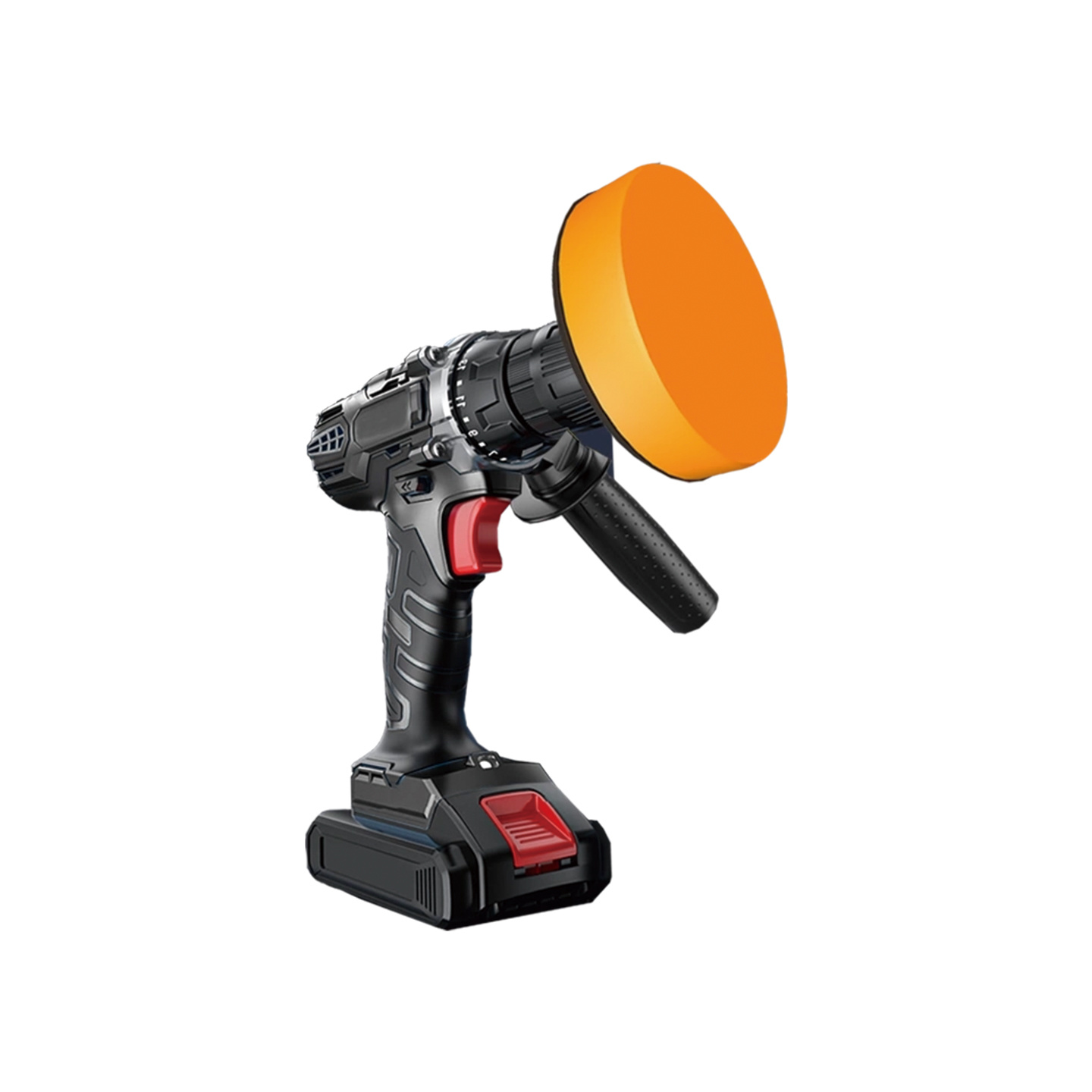
1. Rotary Polishers
Rotary polishers rotate in a circular motion, offering high power and speed. They are ideal for heavy paint correction but require more skill to avoid damage.
2. Dual-Action Polishers
Dual-action polishers have a dual motion, combining rotary movement with orbital motion. This makes them user-friendly and ideal for beginners, offering a gentler approach to polishing without risking damage.
3. Random Orbital Polishers
These polishers move in a random orbital pattern, minimizing the risk of holograms or swirl marks. They are perfect for achieving a high-gloss finish with minimal risk.
Preparation: The Key to Efficient Polishing
Proper preparation is essential for saving time and achieving the best results. Follow these tips to ensure your workspace and vehicle are ready:
1. Clean Your Workspace
A clean and organized workspace allows you to work more efficiently. Remove any clutter that might impede your movement or distract you during the polishing process.
2. Wash and Decontaminate Your Vehicle
Start with a thorough wash to remove dirt and grime. Follow this with a decontamination step, using a clay bar to eliminate embedded contaminants. This ensures a smooth surface for polishing.
3. Inspect the Paint Surface
Carefully inspect the paint for imperfections like scratches, swirls, or oxidation. Identifying these issues beforehand will help you choose the right products and techniques for correction.
Selecting the Right Products for Optimal Results
Choosing the right products will save you time during the polishing process:
1. Polishing Pads
Select pads suited for your paint type and the level of correction needed. Soft pads are ideal for finishing, while more aggressive pads can tackle deeper imperfections.
2. Polishing Compounds and Finishing Products
Invest in high-quality compounds that match your needs. A medium-cut compound is effective for most situations, while a finishing polish will give your vehicle a glossy, showroom-ready finish.
Time-Saving Techniques for Efficient Polishing
Utilizing effective techniques can significantly reduce the time spent polishing your vehicle.
1. Divide and Conquer: Section Your Work
Rather than polishing the entire vehicle at once, divide it into manageable sections. Work on one panel at a time to maintain focus and ensure thoroughness.
2. Use Proper Speed Settings
Adjust the speed of your polisher according to the task. Higher speeds are useful for cutting, while lower speeds are optimal for finishing. This prevents overheating and ensures better results.
3. Keep the Pad Flat
Maintaining a flat contact between the pad and the paint surface is essential. This technique helps distribute the product evenly, leading to a more efficient and effective polishing process.
4. Overlap Your Passes
When moving the polisher, overlap each pass by about half the width of the pad. This ensures complete coverage and prevents missed spots, thus reducing the need for rework.
Post-Polishing Steps for a Flawless Finish
Once polishing is complete, following up with the right steps will enhance the results:
1. Wipe Down the Surface
Use a clean microfiber towel to wipe down the polished surface, removing any leftover compound residue. This step is crucial for achieving a clear, shiny finish.
2. Apply a Protective Sealant
To prolong your hard work, apply a high-quality sealant or wax after polishing. This step not only protects the paint but also enhances the shine, ensuring your vehicle looks great for longer.
3. Regular Maintenance
Incorporate regular maintenance into your vehicle care routine to reduce the frequency of intensive polishing. Regular washes and occasional light polishing can keep your paint looking new.
Common Mistakes to Avoid When Using an Automotive Paint Polisher
Awareness of common pitfalls can save you time and enhance your results:
1. Skipping the Preparation Steps
Failing to clean and inspect the vehicle beforehand can lead to poor results and wasted time. Always prioritize preparation to avoid complications.
2. Using the Wrong Products
Not all compounds and pads are created equal. Using incompatible products can lead to substandard results or even damage to the paint.
3. Neglecting Safety Measures
Always wear protective gear, including safety glasses and a mask. Protecting yourself is as crucial as protecting your vehicle.
Efficient use of your automotive paint polisher is all about preparation, the right techniques, and product selection. By following the time-saving tips outlined in this guide, you can enhance your vehicle's appearance while minimizing the time and effort required. Embrace these practices to achieve a professional finish and keep your vehicle looking its best. Whether you’re a seasoned pro or just starting, these insights will help you maximize your results with every polishing session.
Automotive Paint Polisher
Online Message
* Note: Please be sure to fill in the information accurately and keep the communication unblocked. We will get in touch with you as soon as possible.
 18011862300
对不起,当前栏目暂无内容
您可以查看其他栏目
Sorry, there is currently no content in the current column
You can check other sections
营业执照
Business License